Most B2B companies still treat influencer partnerships like a B2C tactic, chasing follower counts and hoping for brand awareness. That's a mistake. B2B influencer marketing works differently. It's built on trust, expertise, and the ability to reach decision-makers who don't respond to ads but do listen to people they respect in their industry.
The numbers back this up. B2B buyers increasingly rely on peer recommendations and expert opinions before making purchasing decisions. A single LinkedIn post from a respected industry voice can drive more qualified pipeline than a month of cold outreach. But here's the catch: most B2B influencer strategies fail because they're assembled without a system, no data behind partner selection, no structure behind content, and no clear path from attention to revenue.
That's the gap we see constantly at SocialRevver. We build content systems that turn organic attention into measurable business outcomes, and influencer marketing is one of the most powerful inputs to that engine. When you pair the right industry voices with data-driven content production and distribution, you stop guessing and start compounding. This guide breaks down exactly how to build a B2B influencer marketing strategy that actually works, from identifying the right partners to structuring collaborations that drive real ROI.
What B2B influencer marketing is and why it works
B2B influencer marketing is the practice of partnering with trusted industry experts to reach and influence professional buyers. Unlike B2C influencer campaigns that focus on lifestyle appeal and mass audiences, B2B influencer programs target specific decision-makers like CFOs, operations leads, and department heads who control purchasing budgets. The influencer's value isn't their follower count; it's their credibility within a defined professional community.
What makes a B2B influencer different
In B2B, an influencer is anyone your target buyer already trusts: an industry analyst, a practitioner with a strong LinkedIn presence, a podcast host who covers your category, or a consultant your prospects actively hire. These people have built authority over time by consistently sharing useful, experience-based knowledge with a professional audience.
The defining quality of a B2B influencer isn't reach; it's the ability to shift how a buyer thinks about a problem or solution.
You don't need someone with 500,000 followers. A niche expert with 8,000 highly engaged followers in your exact category will outperform a generalist with a massive but unfocused audience every time. Relevance always beats scale in B2B, and that distinction alone separates successful programs from wasted spend.
Why it drives results
B2B buyers are deeply skeptical of vendor-driven content by default. They've seen the whitepapers, sat through the webinars, and tuned out the sales pitch. What they respond to is a peer, a practitioner, or a recognized expert making a direct recommendation or breaking down a real use case with no obvious incentive to spin it.
Research from LinkedIn consistently shows that B2B buyers consume multiple pieces of content from trusted sources before they engage with any vendor. When an influencer you've partnered with produces that content, you're not interrupting the buyer's research process; you're embedded in it. That's a fundamentally different position than running a display ad or sending a cold email, and it's why this channel shortens sales cycles when it's executed with a clear system behind it.
Step 1. Set goals, audience, and a clear use case
Before you contact a single influencer, you need three things locked in: a measurable goal, a clear picture of your target buyer, and a specific use case for the collaboration. Skipping this step is why most b2b influencer marketing programs produce activity but not results. Without a defined outcome, you can't select the right partner, brief them properly, or measure whether the campaign worked.
Define your goal before you pick anyone
Your goal determines everything downstream. Are you trying to generate qualified pipeline, build category awareness with a specific job title, or accelerate deals already in your funnel? Each of these requires a different influencer type, a different content format, and a different success metric. Lock in your answer before you do anything else.
Use this simple goal-setting template to start:
- Goal: Pipeline / Category awareness / Deal acceleration
- Target metric: Demo requests / Content reach with target title / Deal velocity
- Timeline: 30 / 60 / 90 days
Map your audience to an influencer type
Once your goal is set, define the exact buyer you're targeting: their job title, the decisions they own, the platforms they use, and the communities they trust.
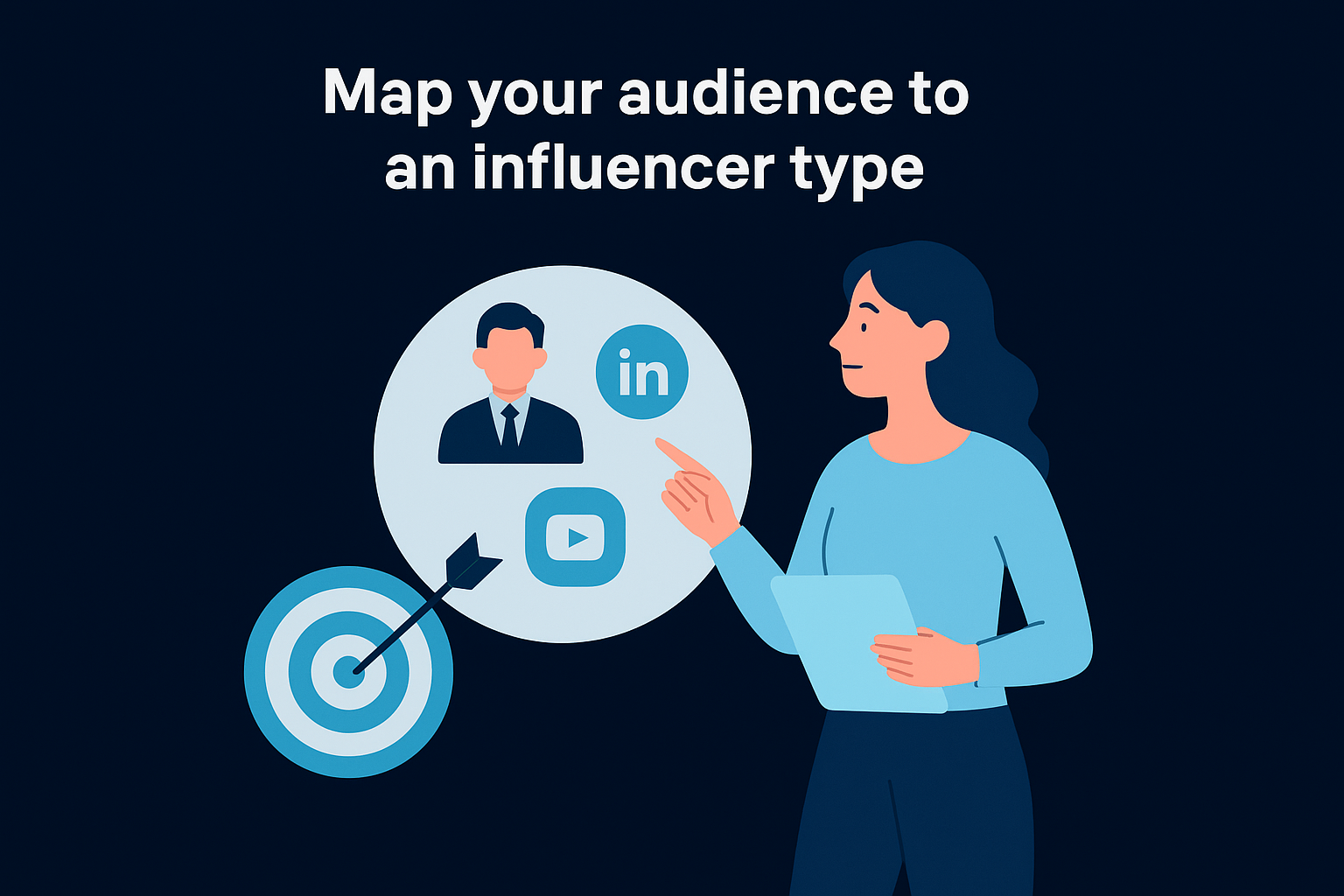
Matching the influencer's core audience to your buyer profile is the single biggest factor that separates campaigns that convert from ones that just get views.
| Buyer type | Platform focus | Content format |
|---|---|---|
| VP of Operations | Process breakdowns, case studies | |
| CFO | LinkedIn, podcasts | ROI analysis, peer interviews |
| Marketing Director | LinkedIn, YouTube | Strategy walkthroughs, tool demos |
Step 2. Find and vet the right B2B influencers
Finding the right partner for your b2b influencer marketing program is a research job, not a popularity contest. You're not looking for the biggest name; you're looking for the person your specific buyer already follows and trusts. Start by searching LinkedIn for content creators who consistently publish in your category and watch which posts pull substantive comments from the job titles you're targeting.
Where to find B2B influencers
Your best candidates are already in your buyer's feed. Search LinkedIn by topic and filter by connection depth to see who your prospects engage with regularly. Beyond LinkedIn, check podcast guest rosters and conference speaker lineups in your niche, and ask your current customers directly which voices shaped their thinking before they bought.
- LinkedIn post search by topic and engagement quality
- Industry podcast guest rosters
- Conference and summit speaker lineups
- Niche communities your buyers actively participate in
How to vet them before you reach out
Before you contact anyone, run a structured audit against four criteria to avoid wasting time on the wrong fit. Skipping this step is how programs end up with high-visibility partners who deliver zero pipeline.
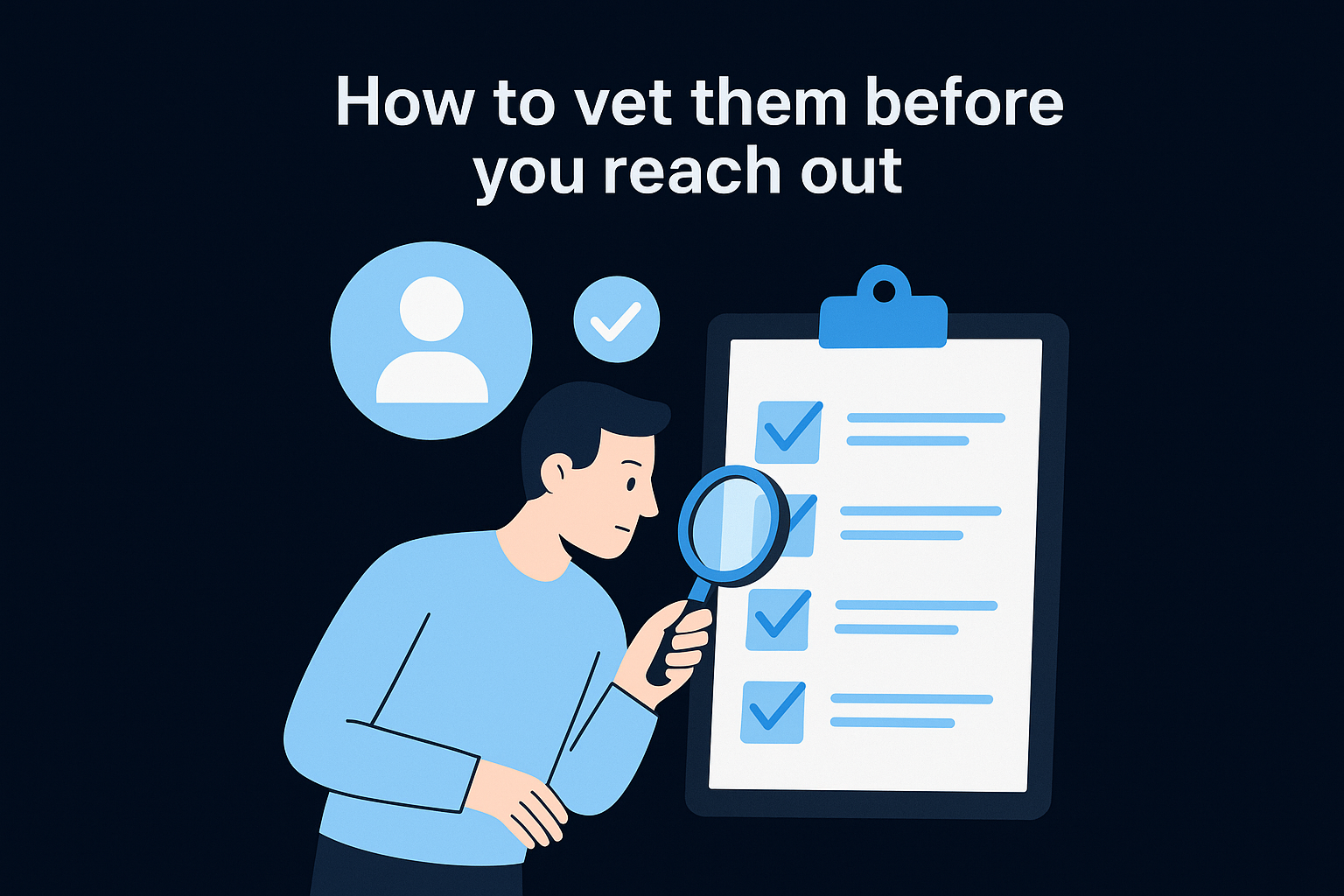
Relevance to your exact buyer always outweighs raw follower numbers.
Use this vetting checklist:
| Criteria | What to check |
|---|---|
| Audience fit | Do their followers match your target job titles? |
| Engagement quality | Are comments substantive, not just reactions? |
| Content consistency | Do they publish at least two to three times per week? |
| Brand alignment | Does their positioning conflict with yours? |
Step 3. Build offers and content that buyers trust
The content your influencer produces is the actual engine of your b2b influencer marketing campaign. If it feels like a paid endorsement, it fails on contact. B2B buyers are trained to filter out sponsored noise, so the structure of what you create together has to deliver real value first and position your brand second.
Choose formats that match the buyer's research behavior
Not every format works equally well for every buyer. Long-form LinkedIn posts with specific breakdowns tend to outperform short promotional clips for decision-makers because buyers use them to evaluate whether your solution applies to their situation. Pick a format based on where your buyer researches, not where it's easiest to produce.
The content should answer a real question your buyer is actively asking, not just describe what your product does.
Use this format selection guide:
| Buyer goal | Content format |
|---|---|
| Evaluating vendors | Comparison post or case study walkthrough |
| Understanding ROI | Data-driven breakdown with real numbers |
| Learning a process | Step-by-step tutorial or live demo |
Structure the offer so it converts
Every piece of influencer content needs a specific next step built into it, not a vague "learn more" link. Give the influencer a concrete offer to share, such as a free audit, a short demo, or a downloadable resource tied directly to the topic they're covering. The offer should feel like a natural extension of the content, not an ad bolted onto the end of it.
Step 4. Run campaigns and measure what matters
Once your content is live, your job shifts from creation to monitoring. Most b2b influencer marketing campaigns fall apart at this stage because teams track vanity metrics like impressions instead of signals that indicate real buyer intent. Set your tracking up before the campaign launches, not after.
Launch with a structure that's trackable
Give your influencer a unique UTM-tagged link for every piece of content they publish so you can tie traffic directly to the campaign source. Pair that with a dedicated landing page so inbound conversions stay clean and attributable. Don't let the campaign go live without these two elements in place.
If you can't trace a conversion back to a specific piece of influencer content, you can't optimize or scale.
Track the metrics that connect to revenue
Follower growth and post likes tell you nothing about pipeline. Focus your measurement on signals that indicate a qualified buyer took action. Use this tracking template to structure your reporting:
| Metric | What it signals |
|---|---|
| Landing page conversion rate | Offer relevance to the audience |
| Demo or audit requests | Direct pipeline generated |
| Deal velocity change | Influence on existing opportunities |
| Engagement comment quality | Audience-to-buyer fit |
Review performance every week and use that data to brief your influencer on what's resonating. Adjust the content angle, format, or offer based on what the numbers show, not on gut feel.
Wrap It Up
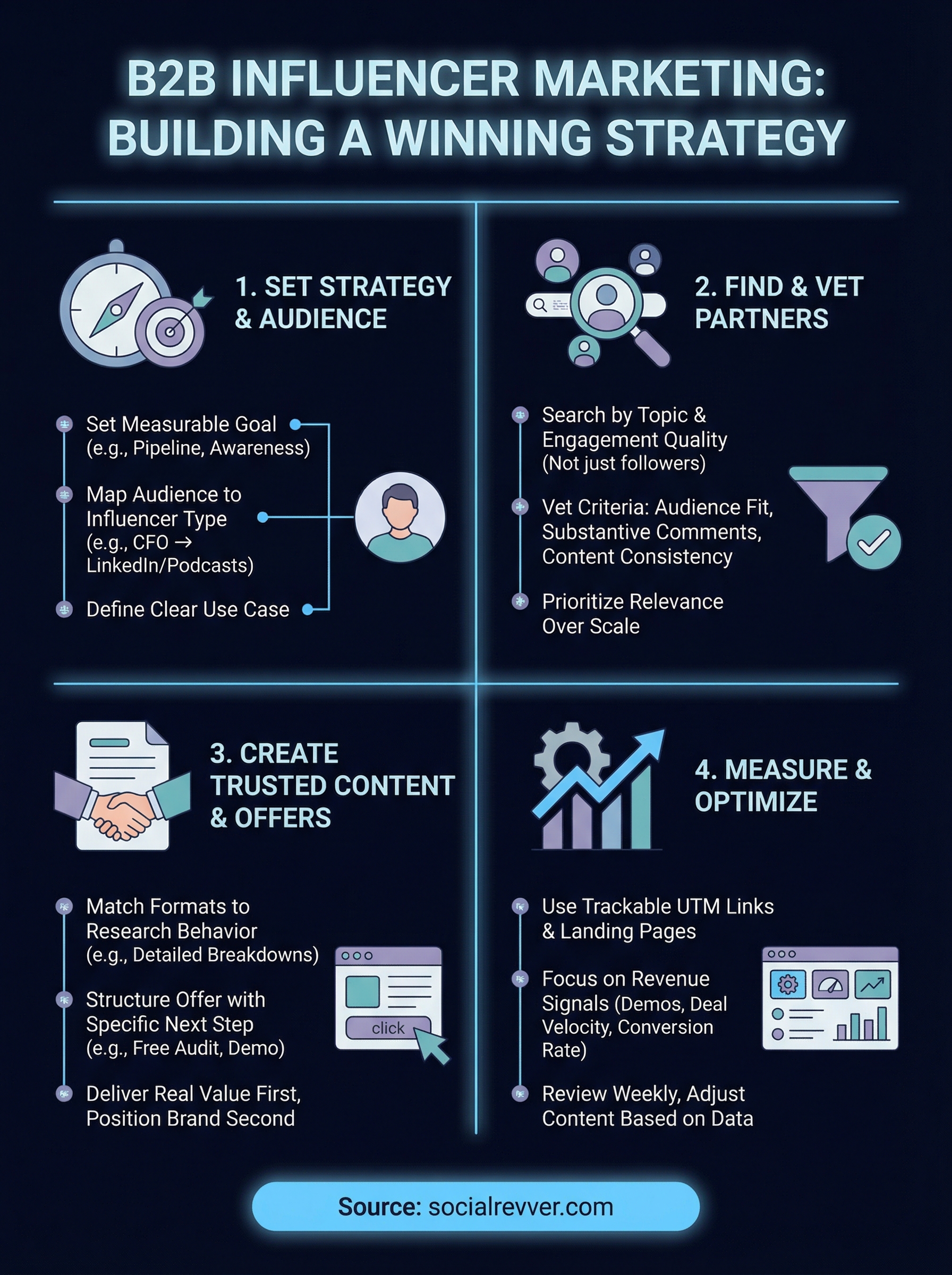
B2B influencer marketing stops being a guessing game the moment you treat it like a system. You now have the framework: set a goal tied to a real buyer, find partners based on audience fit instead of follower count, build content that answers your buyer's actual questions, and measure only the metrics that connect directly to revenue. Every step in this guide is designed to give you traceable outcomes, not just activity.
The mistake most teams make is stopping at strategy. Execution is where the compounding happens, and it requires a consistent content engine running behind every influencer partnership you build. The more data you collect, the sharper your briefs get, and the better each campaign performs over time.
If you want to build that kind of system without doing it manually, apply to work with our team and get a free 40+ slide social media strategy built specifically for your brand.